Buenos Aires Day Tours
I’m Serious Day Tour Man AI, your day trip expert. Ask me anything — where to go, how to get there, and what’s actually worth your day.
Buenos Aires runs the rare day trip that adds a country to your passport: Uruguay’s oldest town sits an hour across the river by fast ferry, and the border mechanics below are half the planning. The rest of the lineup stays Argentine — a river delta where the streets are water and the groceries arrive by boat, gaucho country an hour west with the asado done properly, and an eclectic cathedral city the guidebooks skip.
One honest boundary gets drawn early: Montevideo is reachable and shouldn’t be a day trip, and the case is made below. The city section covers the opera house, the cemetery’s new arithmetic, and the tango question sorted by intent.
Here’s what’s worth a day, with real times and honest trade-offs.

Popular Day Trips
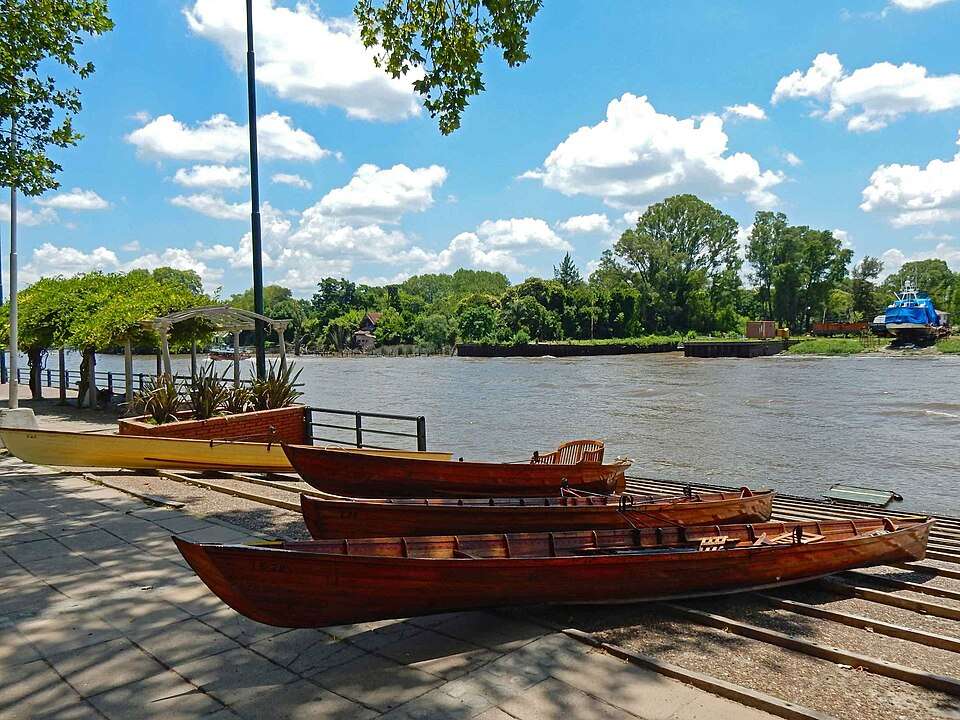
Tigre
The Mitre Line, the Delta Boats
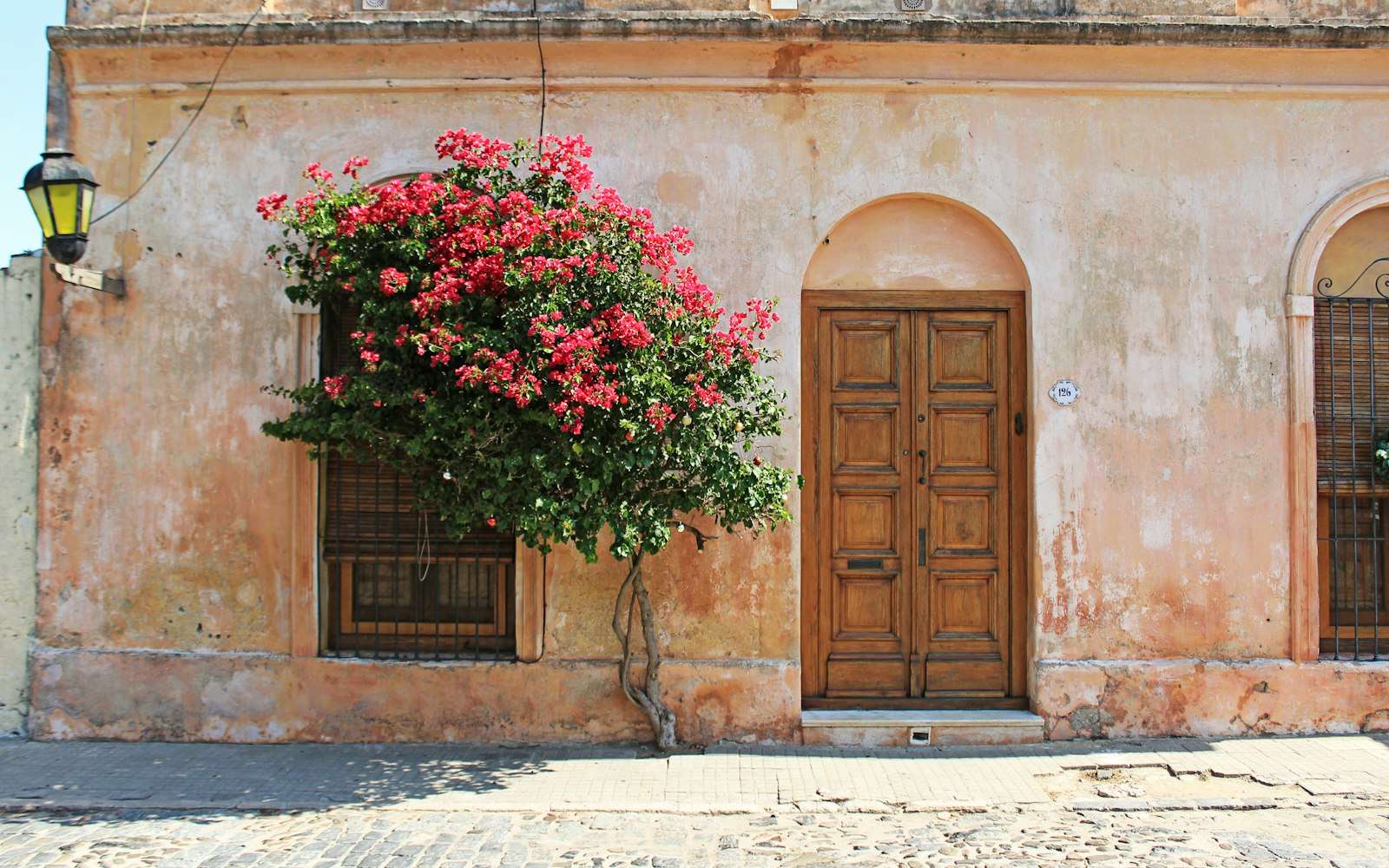
Colonia
The Ferry Border, the Six Blocks of Cobblestones
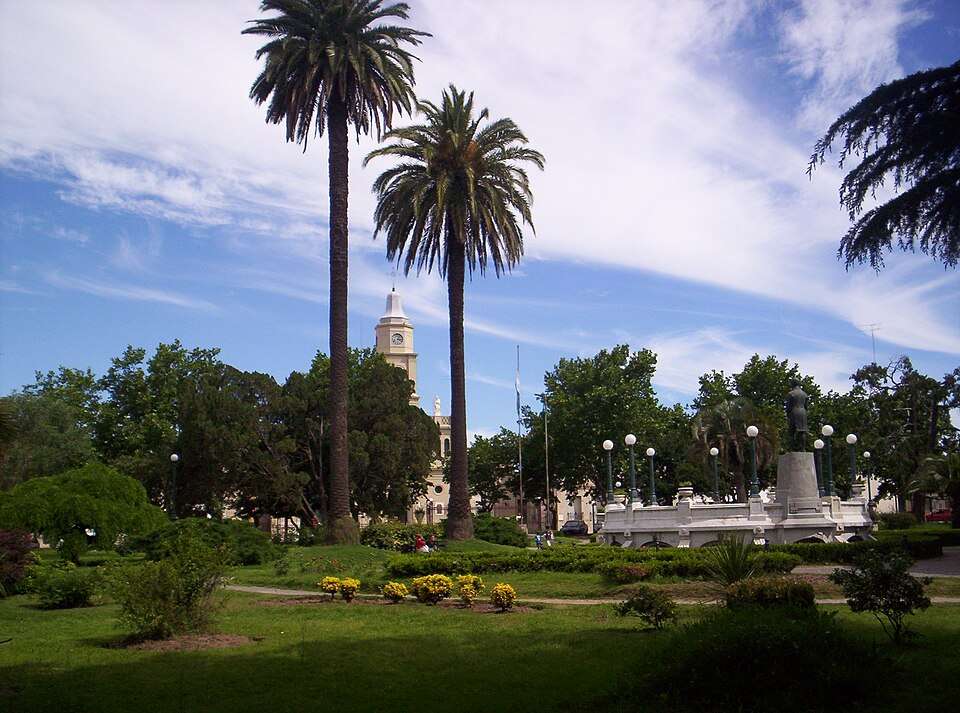
San Antonio de Areco
The Gaucho Capital, Silver Watched Being Made
Colonia del Sacramento — The Uruguay Day
The headliner crosses a border, so start with the mechanics. Fast ferries make the crossing in 50 to 75 minutes; the slow boats take three hours and don’t suit a day trip. Book the morning departure and the early-evening return, and know the operators sail from two different Buenos Aires terminals — Buquebus and Seacat from Dársena Norte in Puerto Madero, Colonia Express from its own terminal ten minutes away — so confirm which building your ticket names.
The border reality: your passport is mandatory, ferry bookings require full passport details in advance, and both countries’ immigration desks process you at the Buenos Aires terminal before boarding — arrive 60 to 90 minutes early, more on weekends and holidays. The return repeats the process at Colonia, so be back at that terminal 90 minutes before departure; the schedules are punctual and missed boardings forfeit the ticket.
The town itself rewards all of it: the 1680 Portuguese-Spanish historic quarter, UNESCO-listed, is a ten-minute walk from the ferry — the drawbridge gate, the Street of Sighs, the climbable lighthouse, and a waterfront built for long lunches. Cards work nearly everywhere; the small museums want Uruguayan cash, which is the day’s only currency footnote. Six hours ashore is the right allocation, and the guided add-ons are optional — the quarter self-guides happily.
Read the full Colonia del Sacramento day-trip page.
Tigre & the Delta — The Water Suburbs
An hour north, the Paraná delta is the day trip locals actually take. Tigre is the gateway town, and the delta behind it is a maze of islands where the streets are rivers: houses on stilts, grocery boats making rounds, and commuter launches instead of buses.
The format: take the train up — the Mitre line from Retiro runs direct, and the Tren de la Costa’s riverside stations make the scenic version — then board a lancha colectiva, the public commuter launch, rather than the big glass catamarans. The commuter boats cost less, stop at real docks, and show the delta as a place people live rather than a panorama behind glass. An hour or two on the water plus lunch at an island parrilla is the day.
Tigre’s own attractions fill the margins: the Puerto de Frutos craft market (weekends run fullest), the delightfully odd Mate Museum, and the belle-époque rowing clubs along the Luján river that explain what this suburb was for. The fruit-and-wicker economy is genuine; the casino is skippable. Sundays are liveliest, weekdays are calmest, and summer humidity brings mosquitoes — repellent is equipment.
Read the full Tigre day-trip page.
San Antonio de Areco & the Estancia Day — Gaucho Country
Two hours west, San Antonio de Areco is the gaucho capital: a pampas town of 1860s storefronts, working silversmiths — the Draghi workshop is the famous one — and boliches (the old general-store bars) where the past isn’t staged, it’s just slow. The Ricardo Güiraldes museum covers the literary version of the gaucho; the town’s Día de la Tradición festival in November is the full display, attended deliberately or scheduled around.
The estancia day is the packaged version, sorted honestly: a día de campo buys the asado lunch (the real event — sweetbreads through short ribs, sequenced by a parrillero who takes it seriously), folk music, and horseback or carriage turns around the property. The horsemanship displays run from genuine destreza to dinner theater depending on the house — the smaller family estancias deliver the day with more conversation and less choreography, and asking who owns and runs the place is the sorting question.
This is a full day committed to eating and unhurried watching. Vegetarians should flag it ahead — the kitchen can adapt, but the default is meat at parade scale. Areco alone, by car or bus without the estancia package, makes a quieter and cheaper version of the same immersion.
Read the full San Antonio de Areco day-trip page.
La Plata — The Planned City Nobody Visits
An hour southeast, La Plata is the day trip almost no tourist takes, which is the argument. The city was designed from scratch in 1882 — a perfect grid with diagonals, a planned green plaza every six blocks — and it holds two heavyweight buildings.
The cathedral is the continent’s largest neo-Gothic church, started in 1885 and consecrated in 1932 with its towers finally finished in 1999; the elevator to the tower lookout reads the whole planned grid at once. The Museo de La Plata is the other anchor: one of South America’s great natural history museums, famous for its paleontology halls — the glyptodonts and giant ground sloths of the pampas are the collection’s home-field material.
Add the Casa Curutchet — the only house Le Corbusier built in the Americas, tour-visitable on limited hours and a pilgrimage for architecture people — and the eternal flame at the Plaza Moreno. Half a day covers it; the train from Constitución or the bus both work; and the city’s pride, a milanesa a caballo at a neighborhood bodegón, completes the visit at local prices.
Montevideo — The Honest Boundary
The direct ferry makes Montevideo technically reachable, and honesty says don’t: the fast crossing runs over two hours each way, immigration doubles it, and the round trip wraps six-plus transit hours around a rushed capital. Uruguay’s capital is a slow city — the rambla, the Ciudad Vieja, Mercado del Puerto’s parrillas, Teatro Solís — and rushing it misses the point of a place whose charm is unhurriedness.
The verdict: take Colonia as the day trip — it’s built for exactly that — and give Montevideo an overnight or fold it into a proper Uruguay leg. Travelers determined to sample the capital anyway should take the earliest boat, accept that the day is mostly transit, and book the return with slack; the schedule punishes optimism.
The same boundary logic applies inland: Iguazú Falls is a two-hour flight, not a road trip, and needs its own overnight. Bariloche and Mendoza are flights. Buenos Aires’s honest day-trip radius is the river and the pampas, and the four entries above fill it properly.
The Colón, the Cemetery & Buenos Aires Itself
The Teatro Colón is the city’s non-negotiable interior: one of the world’s great opera houses, acoustically ranked with Vienna and La Scala. Guided tours run daily every fifteen minutes from 10 a.m. to 4:45 p.m. — about fifty minutes through the Golden Hall and the main auditorium — and the English-language slots sell out first, so book ahead on the official site. Better still, attend anything: the cheap upper-level seats put you under that ceiling for less than the tour price.
Recoleta Cemetery has new arithmetic: foreign visitors now pay an entry fee at the gate — cards only — while Argentine residents enter free. The labyrinth of mausoleums justifies it: Evita’s tomb, the art nouveau tragedies, and the free guided tours that decode the marble. The city’s official tourism site carries current hours and prices.
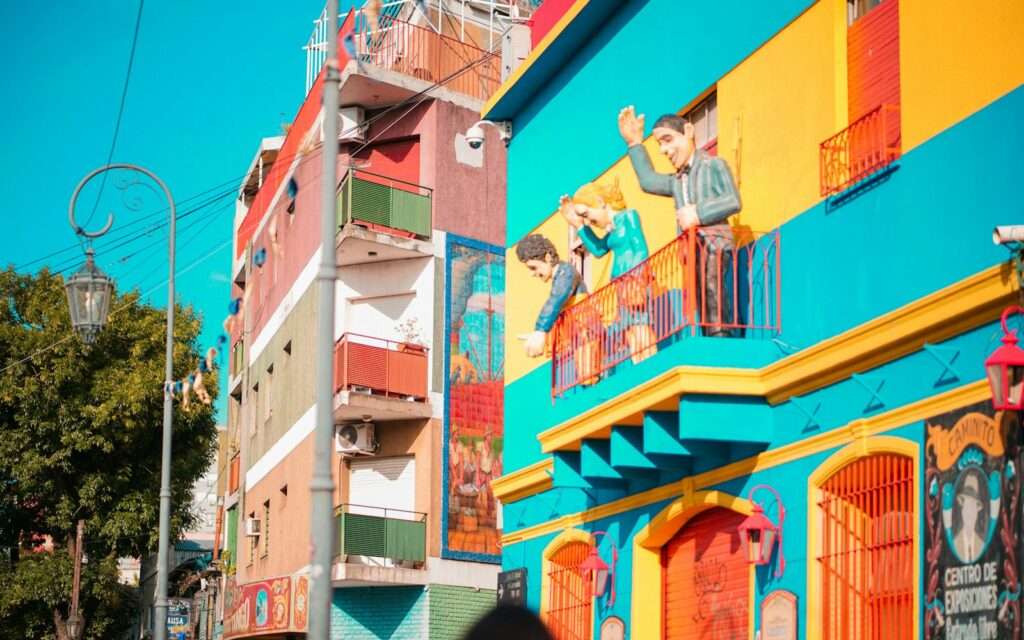
The rest, calibrated: San Telmo’s Sunday feria for the street-market theater, La Boca’s Caminito taken as the twenty-minute photo stop it is — stay on the painted blocks, and the neighborhood beyond them is not a stroll — and the tango question sorted by intent: the dinner-show productions are polished spectacle priced accordingly, while a milonga (the locals’ dance hall, some with beginner lessons first) is the real culture at a tenth the cost. Watch your phone at outdoor cafés, learn that dinner starts at 9 p.m. and the city considers that early, and note the money reality: card payments now settle near the favorable exchange rate, which has simplified the old blue-dollar ritual — check current guidance, because Argentine monetary policy is a moving target. October through April brings jacarandas and terrace weather; the parrilla curriculum — bife de chorizo, provoleta, a Malbec with lunch because you’re on delta time now — runs year-round.
Frequently Asked Questions
Do you need a passport for the Colonia day trip?
Yes — it’s an international border. Bookings require passport details in advance, both immigration desks process you before boarding in Buenos Aires, and the return needs you at the Colonia terminal 90 minutes early.
Is Montevideo doable as a day trip?
Technically, and don’t — two-plus hours each way plus immigration wraps six transit hours around a rushed capital. Colonia is the built-for-it day trip; Montevideo needs a night.
What’s the best way to see the Tigre delta?
Train up on the Mitre line, then a lancha colectiva — the public commuter launch — over the glass catamarans. Real docks, local prices, and lunch at an island parrilla.
Is an estancia day worth it?
For the asado alone, usually yes — pick a smaller family-run house over the coach-tour operations, and know the day is eating and unhurried watching. Areco town alone is the quieter version.
How do you visit the Teatro Colón?
Daily tours every fifteen minutes, 10 a.m. to 4:45 p.m., about fifty minutes — book English slots ahead on the official site. Or buy a cheap seat to any performance and get the ceiling with music under it.