Colonia from Buenos Aires: The Ferry Border, the Six Blocks of Cobblestones, and Lunch as the Itinerary
An hour and a quarter across the world’s widest river, Uruguay starts at a cobblestoned smuggler’s town the Portuguese and Spanish traded for a century. Bring your passport, book the ferry, and plan around lunch.
The short version
- Fast ferries cross Buenos Aires to Colonia in about 75 minutes several times daily — the operators’ fare classes swing from promo to painful on the same boat, which is the alarm’s book-ahead case; major operator schedules at buquebus.com.
- Both countries’ immigration runs at the departure terminal before boarding — passport stamps out of Argentina and into Uruguay in one queue, which is why the alarm’s hour-early rule is structural rather than cautious.
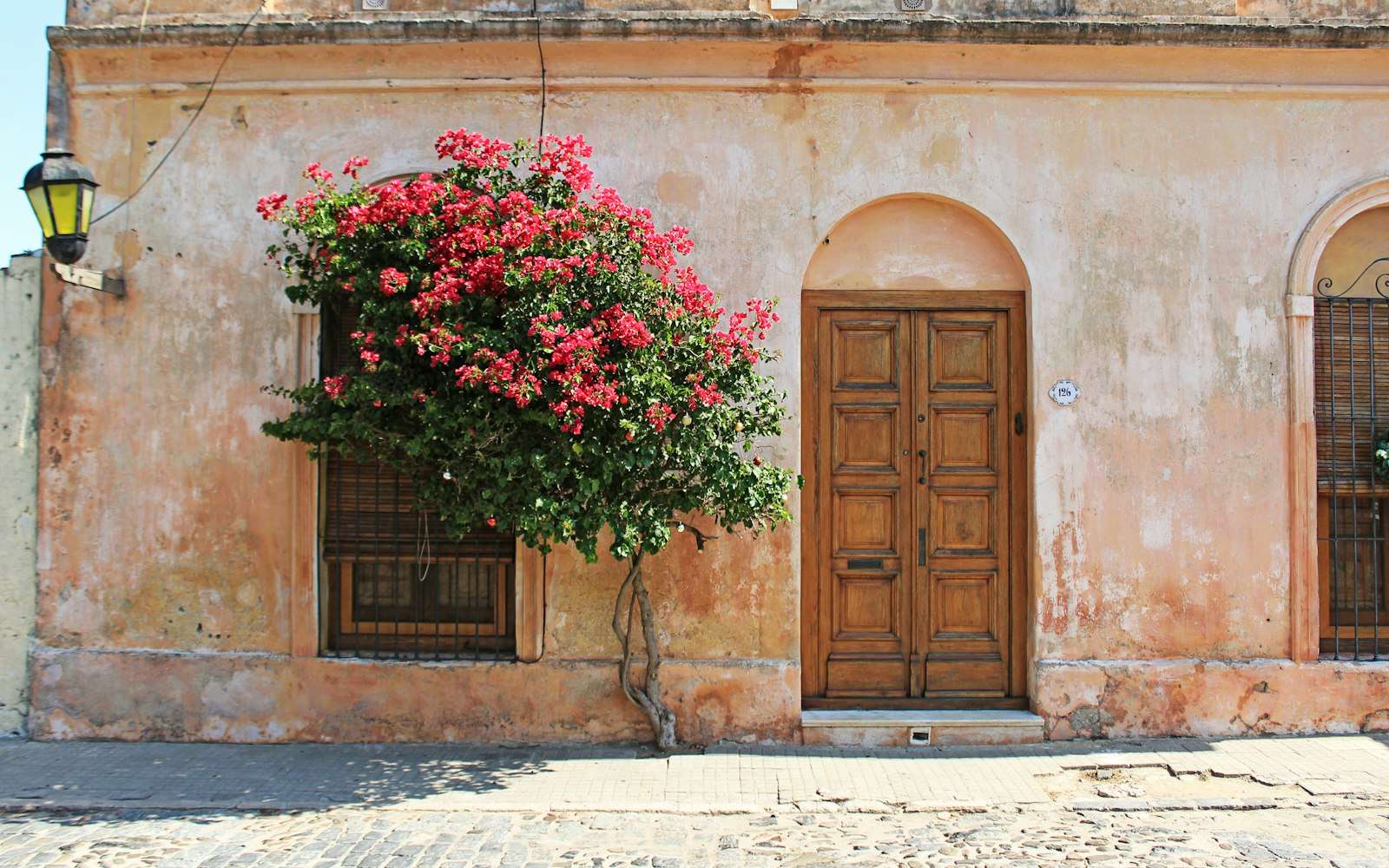
- The Barrio Histórico is UNESCO-listed for exactly what it is: a Portuguese-Spanish contested port whose 17th–18th-century lanes, drawbridge gate, and mismatched colonial styles survived because the town stopped mattering — six blocks that reward slow feet.
- The Calle de los Suspiros — the Street of Sighs, rough cobbles running down to the water between tile-roofed houses — is the quarter’s most photographed thirty meters and holds up at any hour.
- The lighthouse climbs from the ruins of the San Francisco convent for a small fee — the spiral to the balcony gives the full quarter-and-river panorama, with the Plata stretching to an ocean-flat horizon.
- Uruguay runs on its own pesos, but cards handle nearly everything and the border towns price flexibly — carry a little cash backup and let the chivito and the tannat do the afternoon’s work.

Getting there
Puerto Madero’s ferry terminals run the crossing as a commuter operation with international paperwork — the alarm’s hour covers check-in, the dual-immigration queue, and boarding without sprinting. Book the return leg with the outbound (evening boats fill Sundays), and note the fare classes are the same seats sold at different moods: the promo windows open weeks out. The crossing itself is the world’s widest river doing its brown-water horizon act — a deck seat or window on a clear day is worth claiming.
The day
Walk out of the terminal and you’re ten minutes from the drawbridge — enter the quarter through the Portón de Campo as intended and let the pace drop to Colonia’s own. The morning circuit: the Calle de los Suspiros before the day boats’ crowds, the Plaza Mayor’s plane trees, the tile-and-lantern lanes done without a map because six blocks forgive every wrong turn. The lighthouse climb slots before noon for the light. Then the alarm’s actual itinerary: a long parrilla or portside lunch — chivito if you’re committing to Uruguay properly, tannat alongside, sobremesa unhurried because the boat home isn’t until evening. The afternoon absorbs the little museums’ single-room histories, the rambla’s river walk past the bull-ring ruins toward the yacht harbor, mate-drinkers on the seawall as local color and eventual temptation, and a heladería stop on the way back through. The evening ferry crosses into the sunset over the water it spent all day beside.
When to go
Spring and autumn — September to November, March to May — give the quarter its walking weather and the plane trees their color. Summer (December–February) runs hot, bright, and full of porteño weekenders; the town absorbs it with more ice cream. Winter is quiet, grey-green, and open — the lanes at their most atmospheric and the restaurants at their most yours. Sundays swell with day-trippers year-round; the midweek crossing is the connoisseur’s schedule. Ferry promos track Argentine holiday calendars inversely — the quiet weeks are the cheap ones.
Frequently Asked Questions
Do I really need the full passport?
Yes — it’s an international border with real stamps, and the ferry operators check documents at booking and boarding. Regional ID arrangements serve Mercosur nationals; everyone else travels on the passport, per the alarm.
What currency should I actually carry?
Cards cover restaurants, shops, and the lighthouse; a small reserve of Uruguayan pesos or US dollars handles the cash-only corners. Argentine pesos are accepted grudgingly at unflattering rates — spend them before boarding instead.
Is Colonia enough for a full day?
Exactly enough, taken at its own speed — the quarter, the lighthouse, the long lunch, and the rambla fill six hours the way the town intends. Travelers who need momentum can rent a golf cart or bikes for the further beaches; travelers who don’t have understood the trip.
Colonia or Tigre for the Buenos Aires water day?
Tigre (documented on this network) for the delta’s channels inside Argentina; Colonia for a second country, a UNESCO quarter, and the ferry crossing as event. The passport requirement is the only real filter — with it, Colonia is the fuller day.
Can I continue to Montevideo?
Buses run Colonia to the capital in about 2.5 hours, and through-ferry-bus tickets exist — but as a same-day return it’s a transit exercise, not a visit. Montevideo wants its own overnight; Colonia is the honest day trip.