San Antonio de Areco from Buenos Aires: The Gaucho Capital, Silver Watched Being Made, and November’s Tradition
Ninety minutes northwest, the pampa begins at a town that carries the gaucho tradition without performing it — silversmiths whose work sells worldwide, pulperías pouring vermouth, and a November festival that fills it with horses.
The short version
- Buses run Retiro to Areco in about two hours at modest fares on regular schedules (the drive runs ninety minutes on Ruta 8), landing a short walk from the plaza-and-riverside grid that holds the whole town.
- The gaucho-capital standing is official and lived-in: Areco anchors Argentina’s tradition country — the estancias around it, the criollo horsemanship culture, and Ricardo Güiraldes’ novel Don Segundo Sombra, written here and set here, giving the town its literary charter and its museum.
- The silversmith tier per the alarm is world-grade: working talleres — the Draghi family workshop the most renowned — produce the mates, knives, buckles, and horse silver collected internationally, with studio visits watching the craft mid-process and the alarm’s buy-what-you-watched rule as the connoisseur’s filter.
- The pulperías run the town’s social museum: century-old general-store bars pouring vermouth and gin under original shelving — La Esquina de Merti on the plaza the accessible classic — with picadas and the unhurried register the alarm assigned the whole afternoon.
- The Puente Viejo — the old pink-toned bridge over the Río Areco — carries the postcard per the alarm, with the riverside park and the Güiraldes museum’s gaucho collections across it when its doors are open.
- The Día de la Tradición (the week around November 10, Güiraldes’ birthday) is the country’s gaucho festival at the source: horse parades, destrezas criollas, folkloric music, and asado smoke over the whole town — booked ahead, per the alarm’s time-it-if-you-can clause.

Getting there
The bus’s two hours or the drive’s ninety minutes both land a town built for arrival-and-wander: plaza, silversmith lanes, bridge, and riverside inside a fifteen-minute radius. The one booking that matters ordinarily is lunch — the parrillas and estancia day-programs fill on weekends — and everything during Tradición week, when the town’s beds and tables sell out weeks ahead. Sunday runs the fullest ordinary rhythm (families, horses in town, pulperías at capacity); Monday thins museum hours.
The day
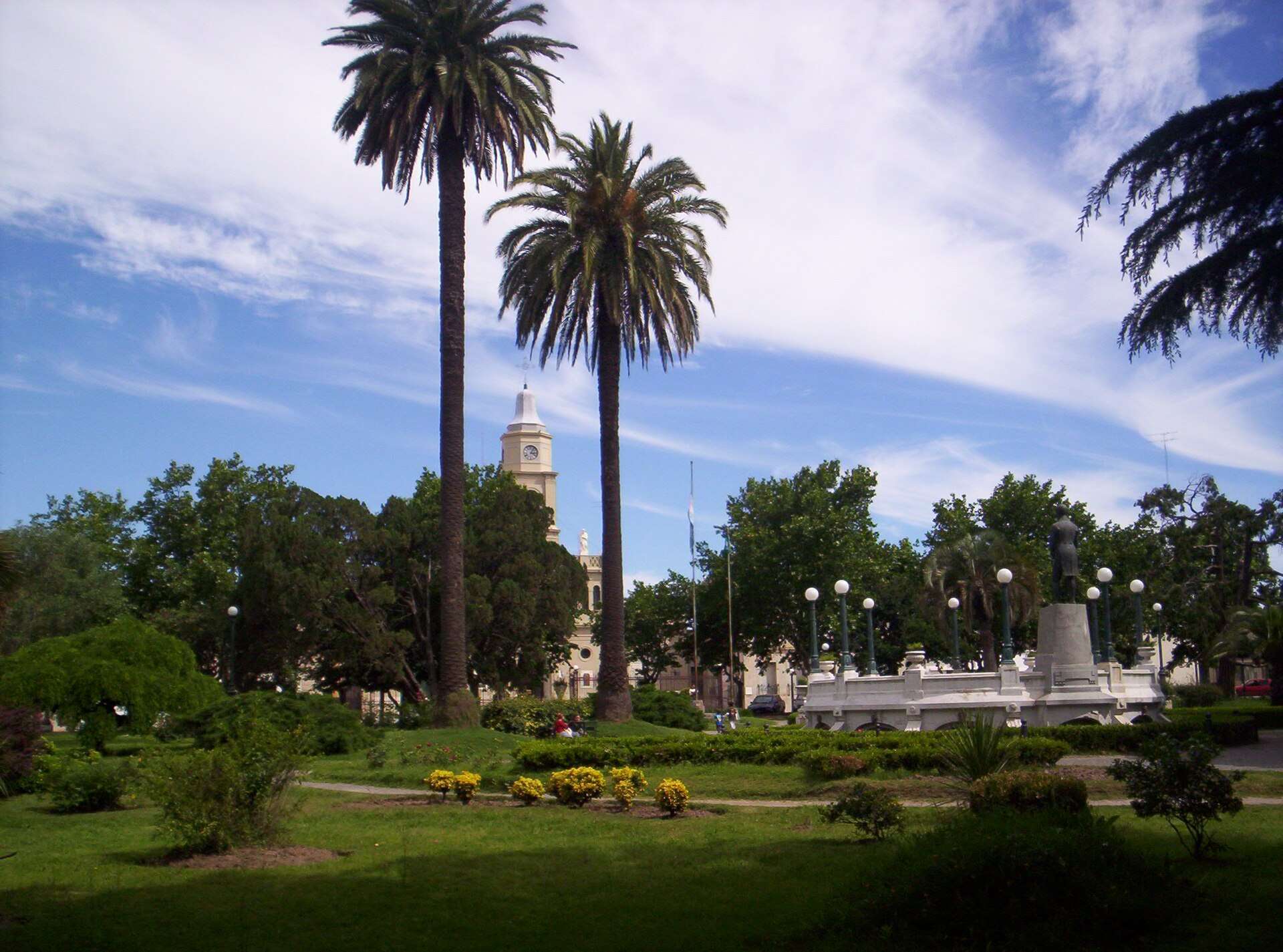
The plaza and its surrounding blocks open the visit: the church, La Esquina de Merti’s vermouth-and-picada preface, and the silversmith talleres per the alarm — watching a mate’s silverwork chased by hand recalibrates every gift-shop price in Argentina, and the Draghi workshop’s museum-grade pieces set the ceiling. The bridge and riverside take the pre-lunch stroll: the Puente Viejo’s postcard angles, the park’s willows, and the Güiraldes museum’s gaucho silver, tack, and manuscripts across the water when open. Asado lunch anchors the day — in-town parrilla or full estancia program by appetite and booking. The afternoon runs slow on purpose per the alarm: chocolaterías and alfajores, the draper-and-boina shops outfitting actual gauchos alongside visitors, and a second pulpería’s shelves before the evening bus. Tradición-week versions replace all pacing with the festival’s — parades claiming the streets, jineteada grounds at the edge of town, and the pampa’s whole culture arriving on horseback.
When to go
Spring (September–November) and autumn (March–May) run the pampa’s best light and temperatures, with the Día de la Tradición week in mid-November as the singular version per the alarm — Argentina’s gaucho culture at full ceremony, booked well ahead. Summer works on early starts and siesta discipline; winter turns the pulperías’ interiors into the point. Weekend versus weekday is the ordinary-visit fork: Sundays for atmosphere and open doors, weekdays for the silversmiths’ undivided attention and the town to yourself.
Frequently Asked Questions
Is the gaucho culture here real or staged?
Real, per the alarm’s without-performing-it framing — Areco sits in working estancia country, the horsemanship and dress on ordinary Sundays come from people living the tradition, and the town’s craft economy serves gauchos before tourists. Tradición week adds pageantry to substance rather than substituting for it.
What should I know before buying silver?
Watch it being made per the alarm — the legitimate talleres work in the open, sign their pieces, and price by silver weight and chasing hours; the Draghi name is the benchmark tier. Mates, cuchillos, and rastras run from accessible to museum-grade. Bargaining is not the culture; asking about the technique is, and improves the piece’s story.
What exactly happens at the Día de la Tradición?
The week around November 10 stages Argentina’s flagship gaucho festival: mounted parades through town, destrezas criollas (horsemanship displays and jineteada), folkloric peñas at night, artisan fairs, and communal asados. It’s genuine, enormous, and booked out — the alarm’s time-it clause comes with a reserve-early footnote.
Are the estancia day programs worth it?
The good ones — lunch-inclusive días de campo with riding, folklore, and asado at working or historic estancias — deliver the pampa properly and pair naturally with a town morning. Quality varies with group size; smaller programs booked direct beat bus-scale packages. Town-only days remain complete in themselves.
Areco or Tigre from Buenos Aires?
Tigre (documented on this network) for delta boats and weekend river culture at commuter distance; Areco for the pampa, silver, and gaucho register at the longer ride. Water versus grassland — and November’s Tradición week settles any tie in Areco’s favor for the one week it runs.